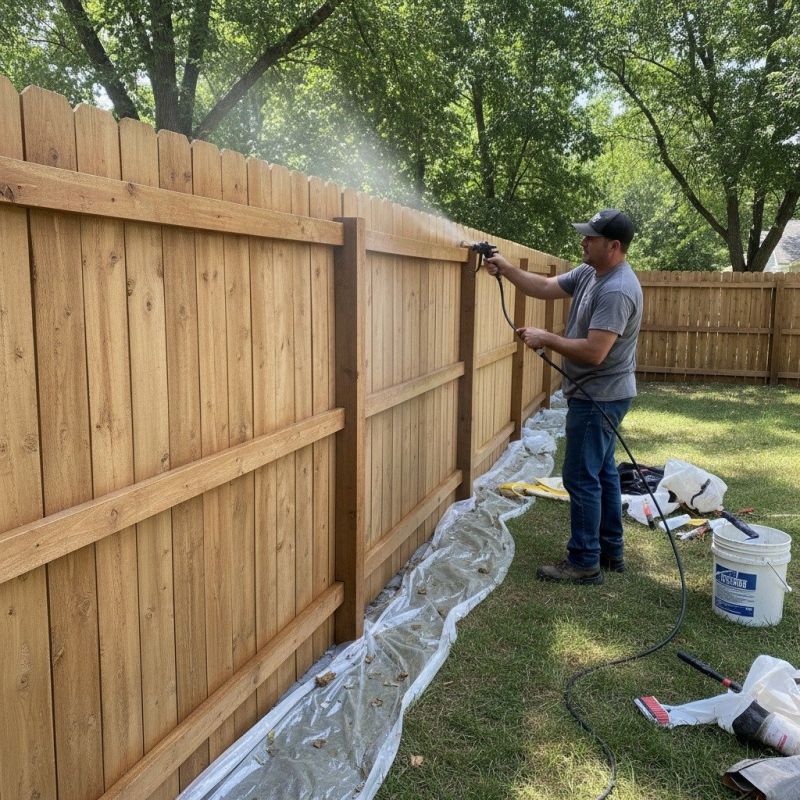
Cedar Fence Sealing in Bellevue, WA
Cedar fence sealing services involve applying protective treatments to cedar fences to help preserve their appearance and durability. This service is commonly requested for projects such as residential backyard fences, decorative garden enclosures, and boundary fences that require protection from weather elements like rain, sun, and moisture. Homeowners usually want to understand the benefits of sealing, such as preventing wood from warping, cracking, or rotting, as well as maintaining the natural look of cedar over time.
Before requesting cedar fence sealing, property owners often consider factors like the current condition of the fence, the type of sealant used, and the recommended frequency of application. It’s important to know whether the fence has existing damage or weathering that could affect the sealing process. Additionally, understanding the difference between various sealant options, such as transparent or tinted finishes, can help in choosing a treatment that aligns with the desired aesthetic and long-term protection goals.
Many property owners in Bellevue, WA look into Cedar Fence Sealing for repairs, replacements, upgrades, and appearance-related improvements.
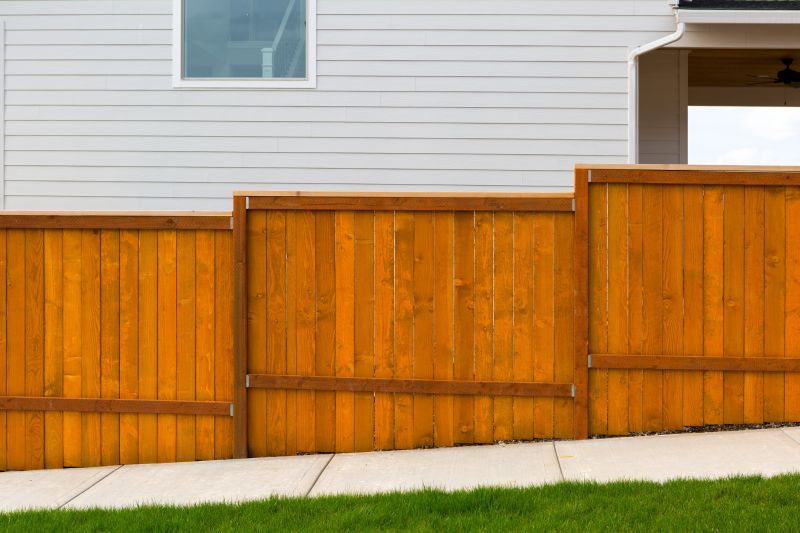
Protecting Cedar Fences
Sealing helps prevent moisture damage and extends the lifespan of cedar fences.
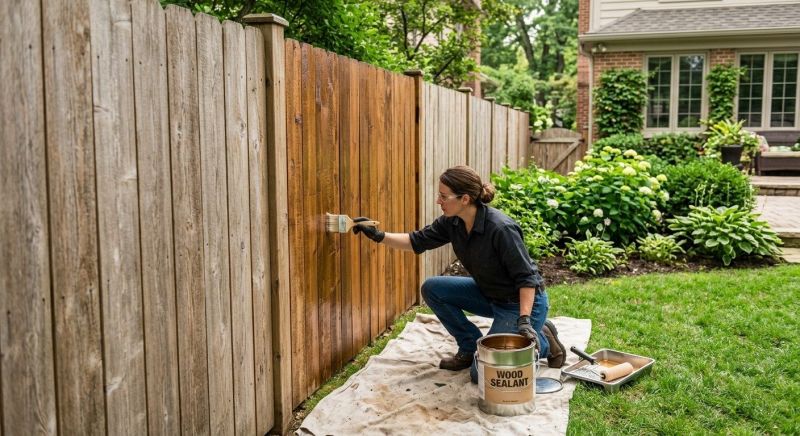
Enhancing Fence Appearance
Proper sealing can improve the look of cedar fences by highlighting their natural grain.
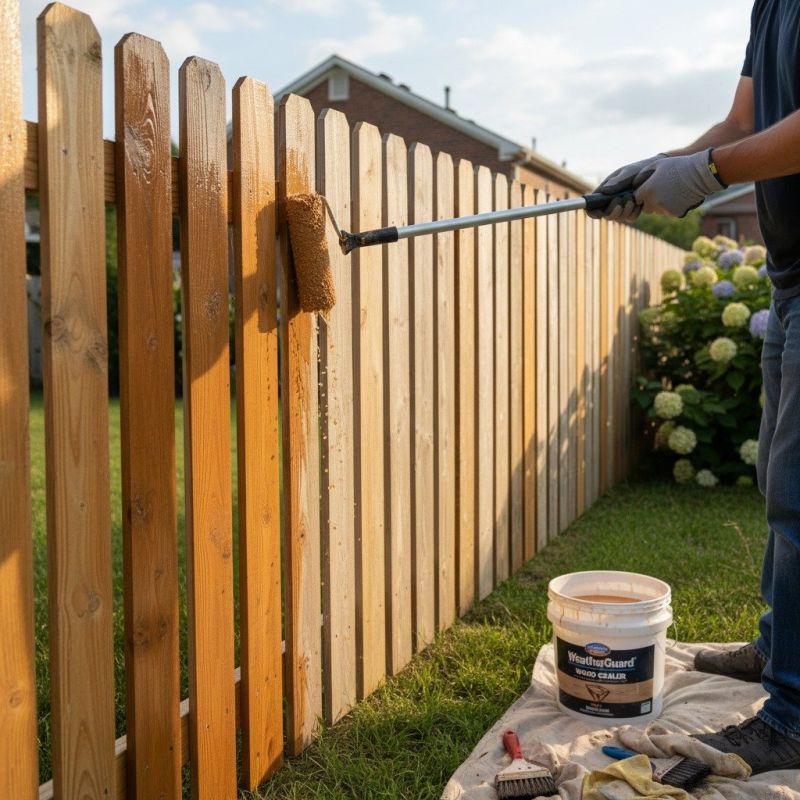
Maintaining Property Value
Regular cedar fence sealing preserves the integrity and aesthetics of fences around homes in bellevue, wa.
Cedar Fence Sealing in Bellevue, WA
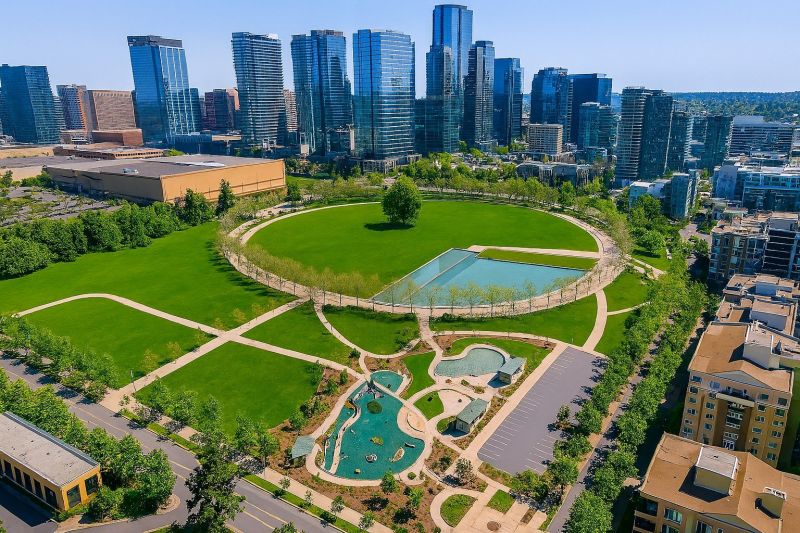
Cedar fence sealing services involve applying protective treatments to cedar fences to help preserve their appearance and durability. This service is commonly requested for projects such as residential backyard fences, decorative garden enclosures, and boundary fences that require protection from weather elements like rain, sun, and moisture. Homeowners usually want to understand the benefits of sealing, such as preventing wood from warping, cracking, or rotting, as well as maintaining the natural look of cedar over time.
Before requesting cedar fence sealing, property owners often consider factors like the current condition of the fence, the type of sealant used, and the recommended frequency of application. It’s important to know whether the fence has existing damage or weathering that could affect the sealing process. Additionally, understanding the difference between various sealant options, such as transparent or tinted finishes, can help in choosing a treatment that aligns with the desired aesthetic and long-term protection goals.
Many property owners in Bellevue, WA look into Cedar Fence Sealing for repairs, replacements, upgrades, and appearance-related improvements.
Common Cedar Fence Sealing Jobs
Fence sealing - protects cedar fences from moisture and weather damage.
Weatherproofing - helps prevent wood rot and prolongs fence lifespan.
Sealing new fences - provides a protective barrier immediately after installation.
Restoring aged fences - restores appearance and adds durability to weathered wood.
Preventative maintenance - reduces the need for costly repairs over time.
Custom sealing solutions - tailored to match specific cedar fence styles and conditions.
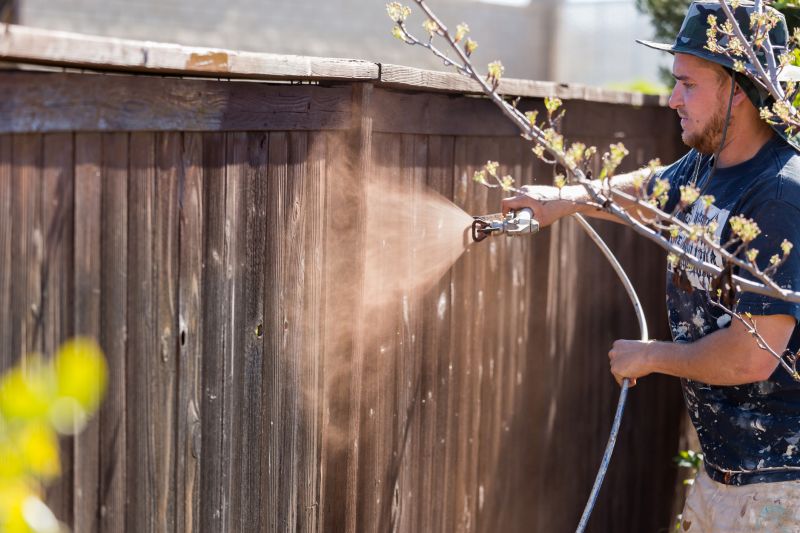
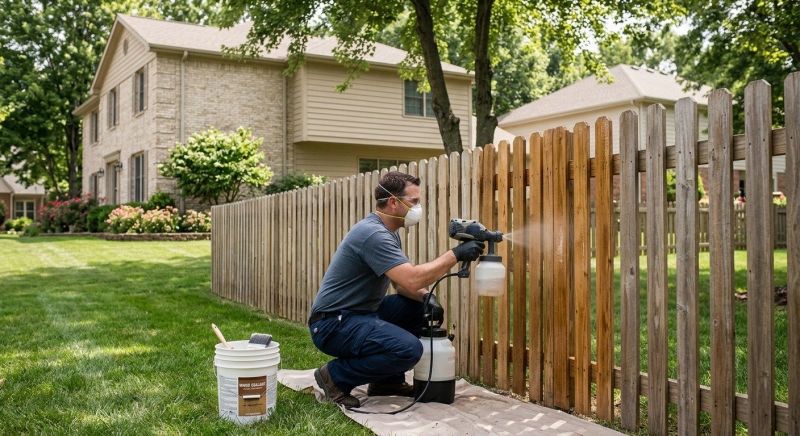
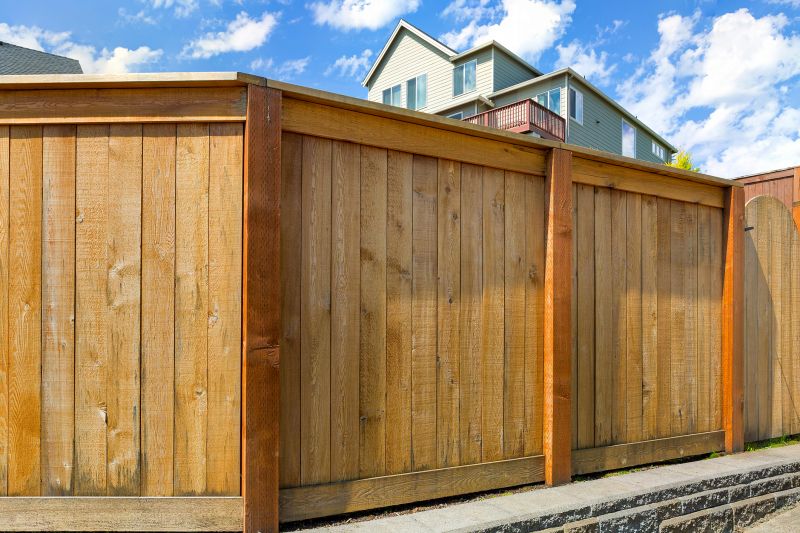
Cedar Fence Sealing Questions
What is cedar fence sealing? Cedar fence sealing involves applying a protective coating to enhance durability and appearance, helping to prevent weather damage and decay.
Why should a cedar fence be sealed? Sealing helps preserve the wood's natural look, reduces color fading, and extends the lifespan of the fence against moisture and UV exposure.
How often should cedar fences be sealed? It is recommended to reseal cedar fences every 2 to 3 years to maintain protection and appearance.
What types of sealers are used on cedar fences? Clear sealers and semi-transparent stains are commonly used to protect cedar while allowing the natural grain to show through.
Request Cedar Fence Sealing in Bellevue, WA
Use the quote form on this page to share the basics of your project and request more information for the type of work you need.